


The issue is that the Google Play Store also contains phoney applications. Even though Google is taking the necessary precautions to stop the proliferation of phoney applications, there are still some available on the Play Store.
The Google Play Store has always had a fake Android app issue that consumers have to deal with. The main purpose of fake applications was to flood your Android screen with advertising. Developers sometimes produce listings that mimic popular programmes identically, frequently utilising the same icon and name but being phoney.
Steps to Identify Fake Apps In Google Play Store
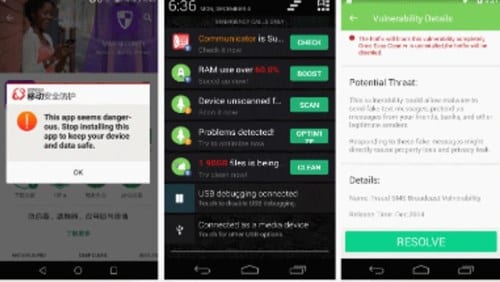
In extreme situations, the bogus apps could potentially infect your smartphone with malware. Because there are so many apps on the Google Play Store, it's crucial to think about a few factors before installing an app. We've included a few straightforward techniques below for identifying phoney Android apps on the Google Play Store.
1. Check the App Name
The name of the app is one of the most frequent features in fraudulent ones. Look closely to the app name that appears on the search results page as the developers attempt to modify a few words. For instance, the false Swiftkey Keyboard software may include the name "Swift Keyboard" in its name.
It is crucial to pay great attention to the app name as a result. One of the first things you should look at is the app's name, which says a lot about it.
Let's admit it, we seldom ever look up the name of the developer while installing an Android app. Even if the developer's name seems legitimate, you should still double-check it.
To confirm a developer's identity, Google the name of the app. Check their other apps if the developer's name isn't immediately obvious. By selecting the developer's name from the Play Store listing, you may do it.
The ratings and reviews left by users reveal a lot about the software you're going to download. Find the user rating and reviews area at the bottom of the App page by scrolling down.
You should look at the app's review. If the software is phoney, many users may have voiced their complaints in the review area.
The app will also primarily receive unfavourable reviews. Therefore, it is advised to read at least 4-5 reviews to evaluate the programme before installing it.
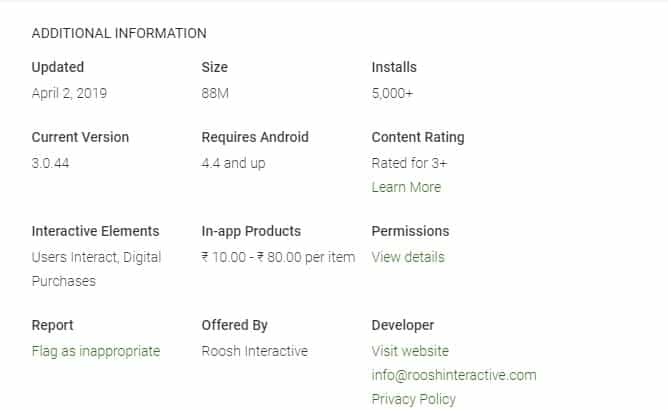
The active installation may be checked as a second-best method to spot a fraudulent software. Apps that are legitimate and popular are likely to have many installations. False apps, on the other hand, would have fewer instals.
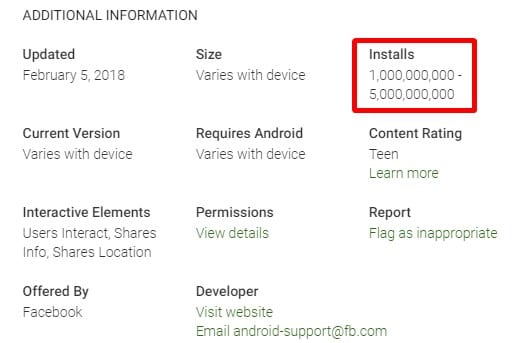
Let's use WhatsApp as an example, which has over a billion installations and is one of the most downloaded applications in the Google Play Store. What if the listing you are seeing contains 10,000 listings instead? It's an obvious sign that the software is phoney. Before installing an app, you should take the overall amount of downloads into account.
The screenshot of an app may also be examined to identify a fraudulent app. It is possible that developers won't utilise screenshots from an official app due to copyright problems.
Even though the screenshots appear to be real, you should still read the content that has been placed on them. Your final objective is to spot any signs that developers who are trying to copy an app have left.
This is another excellent method for assessing the app's safety. Google searches such as "Is (app name) safe or not" or "If (app name) safe to install" are necessary. You'll see relevant results from a Google search.
Open reliable and pertinent websites, then read the reviews. To find out if an app is secure or not, you may also search for it on Reddit or Quora. As a result, a quick Google search will teach you a lot about the software you're going to download.
It's crucial to review the permissions before installing any application. The app permissions are often not given top priority, but they paint a clear image of the software we are going to download and utilise.
An programme like Skype frequently has access to call records, SMS messages, and media assets. However, there is a red flag if a calculator app requests the same information.
Therefore, to determine the app's permissions, utilise common sense. It's terrible practise for an app to request more permissions than necessary.
These are the top indicators of a phoney Google Play Store app. I hope you found this essay useful. Please also share it with your friends as well. Please let us know in the comments section below if you have any more advice on spotting fake apps in the Play Store.
It is crucial to pay great attention to the app name as a result. One of the first things you should look at is the app's name, which says a lot about it.
2. Examine the developer's name
Let's admit it, we seldom ever look up the name of the developer while installing an Android app. Even if the developer's name seems legitimate, you should still double-check it.
To confirm a developer's identity, Google the name of the app. Check their other apps if the developer's name isn't immediately obvious. By selecting the developer's name from the Play Store listing, you may do it.
3. Check the User Reviews & Ratings
The ratings and reviews left by users reveal a lot about the software you're going to download. Find the user rating and reviews area at the bottom of the App page by scrolling down.
You should look at the app's review. If the software is phoney, many users may have voiced their complaints in the review area.
The app will also primarily receive unfavourable reviews. Therefore, it is advised to read at least 4-5 reviews to evaluate the programme before installing it.
4. Check the Download Rates
The active installation may be checked as a second-best method to spot a fraudulent software. Apps that are legitimate and popular are likely to have many installations. False apps, on the other hand, would have fewer instals.
Let's use WhatsApp as an example, which has over a billion installations and is one of the most downloaded applications in the Google Play Store. What if the listing you are seeing contains 10,000 listings instead? It's an obvious sign that the software is phoney. Before installing an app, you should take the overall amount of downloads into account.
5. View the App Screenshots
The screenshot of an app may also be examined to identify a fraudulent app. It is possible that developers won't utilise screenshots from an official app due to copyright problems.
Even though the screenshots appear to be real, you should still read the content that has been placed on them. Your final objective is to spot any signs that developers who are trying to copy an app have left.
6. Use Google Search
This is another excellent method for assessing the app's safety. Google searches such as "Is (app name) safe or not" or "If (app name) safe to install" are necessary. You'll see relevant results from a Google search.
Open reliable and pertinent websites, then read the reviews. To find out if an app is secure or not, you may also search for it on Reddit or Quora. As a result, a quick Google search will teach you a lot about the software you're going to download.
7. Check The Permissions
It's crucial to review the permissions before installing any application. The app permissions are often not given top priority, but they paint a clear image of the software we are going to download and utilise.
An programme like Skype frequently has access to call records, SMS messages, and media assets. However, there is a red flag if a calculator app requests the same information.
Therefore, to determine the app's permissions, utilise common sense. It's terrible practise for an app to request more permissions than necessary.
These are the top indicators of a phoney Google Play Store app. I hope you found this essay useful. Please also share it with your friends as well. Please let us know in the comments section below if you have any more advice on spotting fake apps in the Play Store.



0 Comments